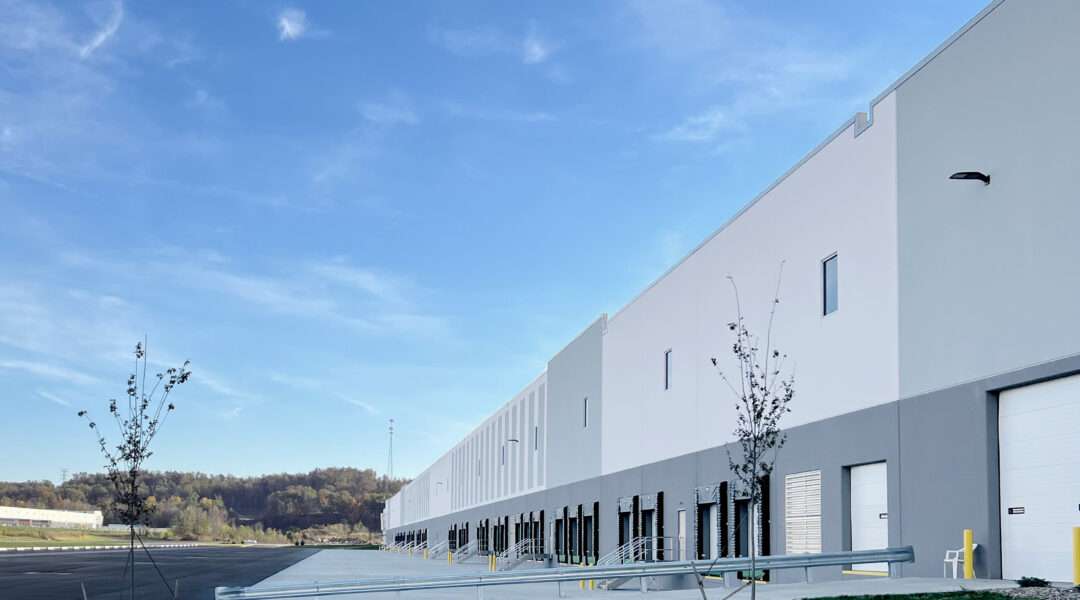
Warehouses, water and wellness
February 11, 2026
USGBC
Calvin Hennick
A trio of recent LEED-certified projects show how industrial spaces can be both healthy and sustainable.
In Durham, North Carolina, a net zero energy pharmaceutical warehouse and distribution center stores life-saving therapies. In Silver Spring, Maryland, technicians test drinking water samples in a newly upgraded laboratory certified for its environmental performance. And in Smyrna, Georgia, a former warehouse has been transformed into a WELL Platinum employee work and wellness hub, complete with a fitness center, collaboration spaces and a cafeteria.
These very different facilities—all with very different uses—serve as powerful illustrations of both how industrial spaces are becoming more sustainable, and how some builders and designers of those facilities are placing an increased emphasis on human health and wellness.
“So much of the focus on human health has typically been from the perspective of indoor health, and health of the occupants,” says Ryan Snow, regional director for U.S. market transformation and development at USGBC. “These projects are addressing health in a number of ways—from a public health perspective to clean water to manufacturing medicine.”
The number of projects certified under LEED for Building Design and Construction: Warehouses and Distribution Centers shows the progress of a sector that many still associate more with diesel fumes than solar panels. To date, there are roughly 8,000 LEED-certified and -registered warehouse and distribution projects, along with nearly 6,000 certified and registered industrial manufacturing facilities.
Snow cites examples where developers of sustainable and healthy manufacturing facilities, warehouses and data centers have also paid more attention to aesthetics. He adds that these buildings integrate more seamlessly with surrounding communities, break down stereotypes about industrial sectors, and make facilities more attractive to employees and potential tenants.
“The developers that are building these facilities know that the operational efficiencies are important, and it becomes a selling point,” Snow says. “The tenant or the user can save on the operations, and because they’re saving on operations and they’re creating healthier spaces, that increases the valuation of the buildings.”
“In many cases, developers and owners proactively deliver LEED because it’s become integral to how they build, and it sets them apart,” Snow adds. “They can confidently say, ‘Choose us, and you’ll get a higher-performing, higher-quality building.’”
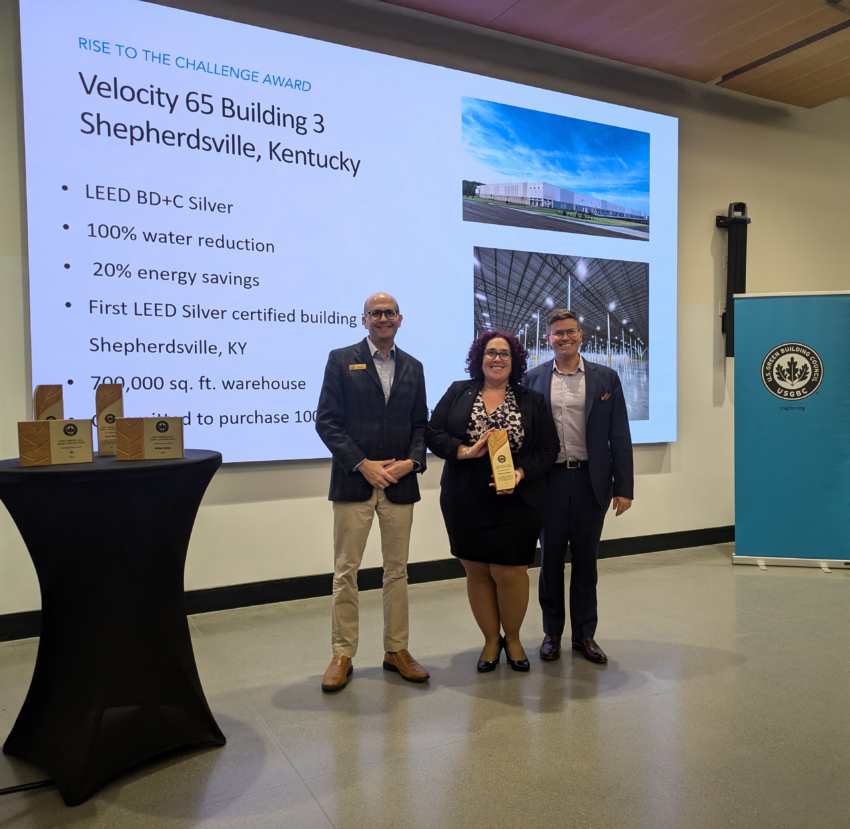
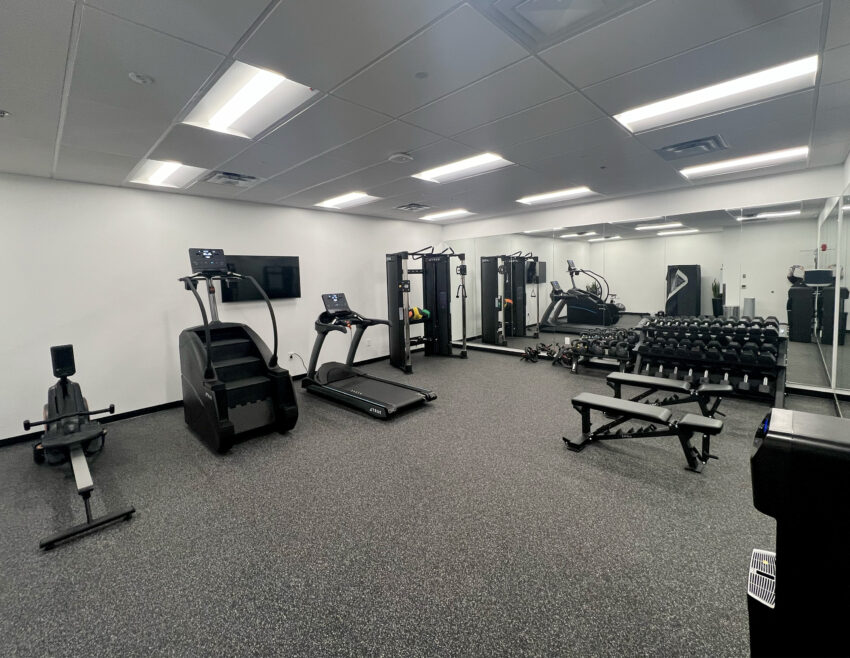 Increasingly, Susemichel says, industrial buildings are being constructed with amenities that were “unheard of” only a decade ago, such as wellness centers, inviting break rooms and expansive outdoor green space. He notes that Browning’s LEED Volume commitment ensures that their warehouses will include some of these features—which, in turn, boosts demand for the facilities.